
Ship to store warehouses
We check case and pallet shipments against store rules. This includes labels, booked delivery times and EDI links.
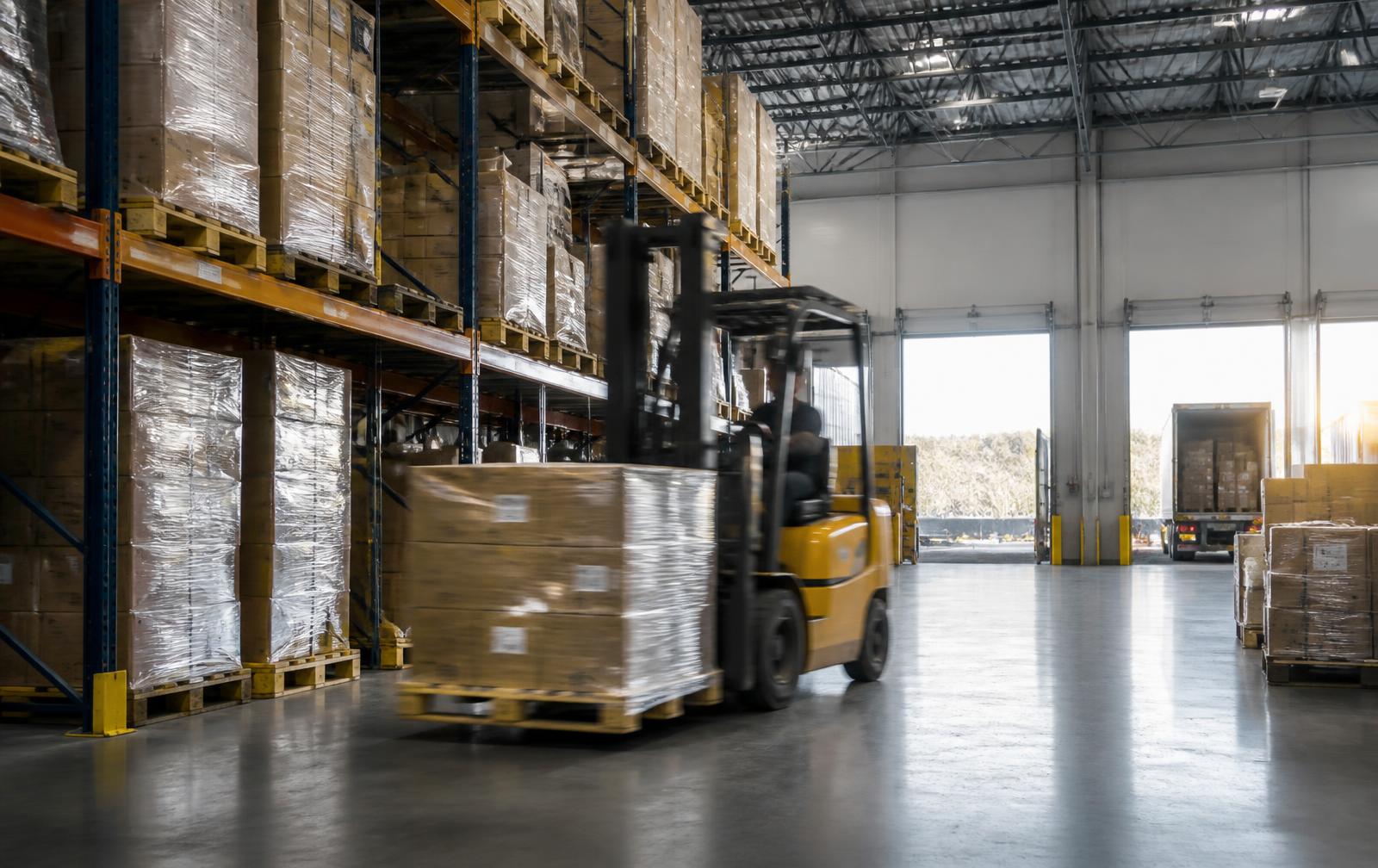
Goods brands / stores & online sales
CPG means the packaged goods people buy each day. A 3PL stores and ships goods for you. DTC means you sell straight to shoppers. You need one site for stores, online orders and market sites. Tell us your rules. We find sites that can do all that work.
50
States we search
3–5
Quotes per request
Checked
Sites that fit your freight
100% free
To shippers. Warehouses pay us.
01 / The wrong fit
Stores have delivery rule books and set drop-off times. Chargebacks are fines stores charge when you break their rules. EDI is the computer link big stores require. Those rules still apply when online orders surge. Club packs, displays and Amazon prep add more work. Cheap space can cost more if the site cannot do it.
One brief. The right sites.
You tell us where you sell and when sales peak. We use one brief for each quote. Each site quotes the same work, not just pallets. You can compare store order costs and costs to pick single items. You can also compare project work and least-spend costs each month.
Find your space02 / Proof before a quote
Ask to see how each step works. “We ship to stores” is not proof. The site must follow your store’s current delivery rule book.
We check who keeps store rules up to date. We check box labels, pallet builds and booked drop-off times. ASN means a notice sent before goods arrive. We check when that notice goes out and who handles errors.
WMS is the system a warehouse uses to track stock. We check its EDI link for orders, replies, ship notices and bills. We check tests of those links. You need to see what stock you have.
We check parts lists and step-by-step build plans. We check quality tests and staff for club packs and displays. We check staff for seasonal projects too.
We check batch and expiry logs for goods you eat or use up. FEFO means ship the oldest dates first. We check that rule where needed. You must trace store cases and each online item.
We check box size choices and pack rules. Large boxes can cost more based on size, not weight. We check how the site compares carrier rates. We check how those costs show on your bill.
We check staff, order cutoffs and promised service at busy times. We ask for peak quotes, not just quotes for a normal week.
03 / What you store
We check case and pallet shipments against store rules. This includes labels, booked delivery times and EDI links.
FBA means Amazon stores and ships your goods. SKU is the code for each kind of item. Sites must label, pack and ship to current market-site rules. This is not blanket approval for every item.
Pick single items and use your brand’s packs. Ship parcels and handle returns. You can see stock levels and order progress.
Build multi-packs, floor displays and sale packs. The site needs written build plans and quality checks.
Who this fits
04 / From your form to your first load
We do not just sell names on a list. We stay with you from the first quote to the signed deal.
01
Share stores, market sites, item counts and order sizes. Tell us when sales peak.
02
We check what each site can do. We get costs for storage, handling, system links and project work.
03
Compare 3–5 quotes. Walk through the work with the site before you set up.
05 / Learn more
Services & guides
Find warehouse space by city
Answers before you commit
Clear terms. No cost. Your choice.
Yes, if its staff, systems and space fit both. We check store rules, case and single-item orders, and peak sales. One site can ease stock control, but each sales route must make cost sense.
No site can promise zero fines. Check rule updates, labels, ship notices, booked times and shipment records. Agree who checks errors and pays for them before you sign.
We find sites with the links you need. Share stores, required data, your systems and setup dates. We check support, tests, setup costs and ongoing costs; not every site links to every store.
Yes, we can find sites for that work. Share item pack rules, seller rules and order counts. Amazon and other sites change rules, so the warehouse must check the current steps.
There is no set cutoff. Item counts, order lines, space, store rules and sales peaks affect fit. Share real normal and peak counts, even if your brand is new.
Some sites have one; others do not. We ask for least-spend, storage and order rules, plus setup, project and parcel costs. You can compare full monthly costs; our help is free to shippers.
Your next warehouse starts here
One form. Get 3–5 quotes from checked warehouses. You choose. Free to shippers. Warehouses pay us.